
If you’re looking for somewhere different to visit during your holidays, or you fancy trying a bespoke holiday experience in one of the world’s most beautiful and unique countries, Germany is definitely the place for you and Travel without Borders is the specialist travel planner to choose!
Full of rich history, interesting culture, charm, character, excellent hospitality and mouth-watering cuisine, holidays in Germany are ideal for all age groups. If you are considering using our services to plan a holiday to Germany, why not brush up your knowledge and discover 15 things about holidays in Germany? We are experts in German culture and have a wealth of experience of holidays in this country, therefore we have compiled this guide to give you a little insight into holidays in Germany.
1. Cash is Still Useful
This is an important one to remember, especially for first-time travellers to Germany! Although card and contactless payments are now widely accepted in Germany, cash remains popular and some smaller shops, cafés, markets and other businesses may still prefer or only accept cash. It is therefore a good idea to carry some euros, including a little loose change, during your trip.
There is also often a charge to use public conveniences, so having some coins handy can still be useful.
2. Are You Supposed to Tip in Germany?
Service and VAT are included in the menu price in restaurants, bars, etc. all over Germany. However, it is common practice to “round up” the amount or add a tip if you are happy with the service and give this directly to the person serving you rather than simply leaving money on the table.
A useful rule of thumb is around 5–10%, although the precise amount is naturally up to you. Tipping is also customary for services such as taxis, guides and porters when you are happy with the service you have received.
3. Sundays are for Culture, Not Shopping
Sundays in Germany are traditionally quiet days and most shops are closed, apart from certain outlets at railway stations, airports and other permitted locations. However, this does not mean that everything shuts down. Restaurants, cafés and many tourist attractions remain open, and Sunday can be an excellent day for sightseeing.
In fact, many museums are open on Sundays and close on Mondays instead, so it is always worth checking opening days when planning your itinerary. Public holidays can also affect opening hours, although museums and attractions may remain open even when shops are closed.
Travel without Borders can advise you on German public holiday dates. You may also come across the word “Ruhetag”, meaning a regular day of rest or closing day for a hotel, restaurant or other business.
4. Different Beds and Pillows!
In the more traditional hotels and often family-run establishments you will encounter what has been the norm across Germany for decades: two single mattresses together within a double bed frame, often with two individual duvets rather than one large one.
However, bed arrangements can vary considerably in larger hotels and international chains, where you may find king-size or queen-size beds as well as more internationally familiar bedding arrangements.
One thing you may indeed find strange is the large square German-style pillow. It might take a little while to find your preferred comfortable position!
5. Dining in Germany
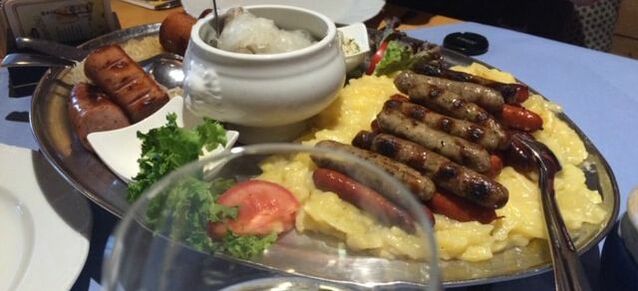
Germany is of course well known for its delicious dishes and foods. There’s so much for your taste buds to discover when holidaying in Germany, and food varies considerably from region to region.
You will definitely find more dumplings, sausages and pretzels in Bavaria, whereas in the Rhineland pork and Schnitzel feature prominently on many traditional menus. Travel north towards Hamburg and the coast and you will discover a very different range of fish specialities.
Eating establishments often offer “Kinder Teller” for children and sometimes smaller portions for those with a lighter appetite. If you want to skip eating formally, you are rarely far from an “Imbiss” snack stand, where you might find the famous Currywurst on offer!
Free table water is not normally brought automatically in German restaurants and bottled water usually needs to be ordered separately. Bottled water may be sparkling, medium or still, so if you want still water ask for “stilles Wasser” or “Wasser ohne Kohlensäure”.
6. Don’t Forget the Coffee and Cake
The longstanding tradition of afternoon “Kaffee und Kuchen” is still very much alive and it is highly recommended that you try out a local café and taste your way through the wonderful pastries and cakes on offer.
There is so much more to German baking than the famous Black Forest Gateau, Apple Strudel and Stollen. See and taste for yourself.
7. How Formal are the Germans?
Germany can sometimes be seen as a very serious, formal country. Punctuality is important and, particularly in more formal situations, people may initially address one another as Herr (Mr) or Frau (Mrs/Ms) plus their surname and use the polite form “Sie” for “you” rather than the informal “du”.
German society has become less formal in many situations, however, and how people greet and address each other will depend on age, setting and circumstances.
When it comes to dress code, Germans are generally fairly relaxed unless of course you are eating in a fine-dining restaurant or attending a particularly formal event. Smart casual clothing is widely acceptable.
8. Be Prepared for Nudity
The Germans are definitely less inhibited than many British visitors when it comes to sauna culture. In many traditional German saunas, swimwear is not worn and may actually be prohibited for hygiene reasons.
You are expected to take a sufficiently large towel to sit or lie on, and individual facilities will normally display their rules clearly. Some spas and hotels may also offer textile or swimwear sauna sessions, so check locally if you are unsure.
Don’t despair, however – normal swimwear is of course worn in swimming pools!
9. Have Fun Learning Some German
Whilst many Germans speak excellent English and are often keen to use it, this isn’t always the case. It can depend on age and location, and in some more rural areas you may encounter less English than in major tourist cities.
It can therefore really help to have a basic idea of the German language before experiencing holidays in Germany. There are also local accents and regional dialects to contend with, even for German speakers!
“Guten Tag” or “Grüß Gott” – particularly in southern Germany – are useful greetings. In smaller towns and villages especially, people may greet one another when passing, so don’t be afraid to practise your German.
10. Excellent Tourist Information Centres
To help you plan what to do on your holiday we always recommend making use of the local tourist information centre. Germany excels in this department and there is often a wealth of information to be gained from a visit or conversation with a member of staff.
Local tourist offices can be particularly useful for information about regional attractions, guided tours, events, walking and cycling routes and public transport.
11. Respect the Little Green Traffic Light Man
You should wait for pedestrian traffic lights to turn green before crossing the road, particularly at controlled crossings.
In Berlin and parts of eastern Germany, you will also encounter the famous little red and green traffic-light figure known as the “Ampelmännchen”, which originated in the former East Germany and has since become something of a cultural icon.
12. Germany is Famously Green
If you are on a self-catering holiday, you will need to familiarise yourself with the local recycling arrangements. Recycling is taken very seriously in Germany and waste is normally separated into different categories.
You will also encounter Germany’s “Pfand” deposit system on many drinks containers. When you buy certain returnable or recyclable bottles and cans, a deposit is added to the purchase price. You can return eligible containers to a participating shop or supermarket to reclaim the deposit.
Not every glass or plastic container carries a deposit, so look for the relevant Pfand symbol or information on the packaging.
13. Rail Travel
Germany has an extensive rail network and travelling by train can be an excellent way to explore the country.
Station displays and the DB Navigator app provide up-to-date information about your journey, including platforms, delays, connections and, where available, the position of different sections of the train. This can help you work out where to stand if you have a seat reservation and reduce the rush when the train arrives.
As anywhere, platforms and train formations can occasionally change at short notice, so it is always worth checking the latest information shortly before departure.
14. False Friend: Drogerie
If you need a pharmacy you will need to find an “Apotheke”, not a “Drogerie”.
A Drogerie is a type of health, beauty and household shop selling products such as toiletries, cosmetics, cleaning products and some over-the-counter health products, but it is not a pharmacy.
15. Electricity
Don’t forget your adaptor. Germany uses continental European plugs with two round pins, so British travellers will normally need a suitable travel adaptor.
Holidays in Germany with Travel without Borders
We are experts in planning truly bespoke and unique holidays in Germany. If you would like to visit Germany and make the most of your time there with a carefully planned itinerary that allows you to see everything that matters most to you, then why not let us plan your trip with you, whether you are travelling as a family, a group of friends or even a larger group or society?
If you are still curious, read our About Us page and get in touch today.