

Germany is a wonderfully unique country to visit, offering tourists with more than meets the eye. If you’re interested in embarking on a German adventure, why not familiarise yourself with some of the most interesting things no one told you about Germany?
Travel without Borders are experts on holidays in Germany and have years of experience with helping to plan bespoke holidays to this beautiful country. Therefore, we’ve put together a useful guide on 7 facts no one told you about Germany.
Did You Know There Are 13 Wine Regions in Germany?
Germany has 13 official wine-growing regions, mostly concentrated in the south and west of the country. Their different landscapes, soils and climates produce a remarkable variety of wines that are enjoyed both in Germany and around the world.
For couples, friends or private groups interested in wine, we can help plan a personalised trip to the Mosel or one of Germany’s other famous wine-producing regions, incorporating vineyard landscapes, local wines, regional food and authentic experiences according to your interests.
The famous wine regions in Germany are as follows:
- Ahr – distinctive wines are created here such as velvety or full-bodied fiery red wines.
- Baden – dry, food-compatible ‘Burgunders’ (Pinots), red and white wines, have long been popular throughout the region.
- Franken (Franconia) – this region is known for powerful, earthy Silvaner wines and is popular with art and wine lovers alike. The drier styles of wine prevail here.
- Hessische Bergstraße – Riesling and Pinots are the most important grapes in this region, producing wines that tend to be fragrant and rich.
- Mittelrhein (Middle Rhine) – the clay-slate soil yields lively wines with a pronounced acidity, which are often used for making Sekt, Germany’s sparkling wine.
- Mosel (Moselle) – this is the setting for some of Germany’s most stunning and romantic wine country, producing fragrant white wines rich in acidity and fruit flavours, often with a mineral undertone.
- Nahe – the region is able to produce quite diverse wines from relatively few grape varieties.
- Pfalz – this region yields wines of substance and finesse, with a less austere acidity.
- Rheingau – one of the most distinguished wine regions of the world, where the Riesling grape dominates, yielding elegant wines with a refined and sometimes spicy fragrance.
- Rheinhessen – Rheinhessen offers a wide range of wines – pleasant, easy-to-drink wines as well as wines of great class and elegance.
- Saale-Unstrut – most of the wines here are from white varietals and vinified in a dry style.
- Sachsen (Saxony) – Germany’s most eastern wine-growing region. The winegrowers in Saxony are proud of their speciality Gewürztraminer.
- Württemberg – red wine predominates and ranges from crisp, light Trollinger – the ‘Swabian national drink’ – to wines with more colour, body and substance.

The German Beer Trade
Germany is one of the most important beer markets in Europe, with beer being a huge part of German culture. Germany produces a wide range of styles of beers such as wheat beers, pale beers and dark beers.
Germany had 1,415 breweries in 2025, with Bavaria alone accounting for 588 of them. From large historic breweries to smaller regional and craft producers, beer remains an important part of Germany’s regional culture.
Why not incorporate one of Germany’s many beer festivals into your trip? If you don’t fancy the crowds at the Munich Oktoberfest or the Stuttgart Cannstatter Volksfest, there are plenty of others to choose from and we can help you decide which would suit you best and incorporate it into your itinerary.
Inventors of the Christmas Market
Germany is famous as the home of the traditional Christmas Market, with a tradition stretching back centuries. Several thousand Christmas markets take place across Germany during the Advent season, often estimated at around 3,000–4,000, ranging from internationally famous city markets to small local events held for just a weekend.
Some of the oldest and best known include the Dresdner Striezelmarkt and Nuremberg Christkindlesmarkt, while Augsburg also has one of Germany’s historic Christmas market traditions. Almost every town and city has its own interpretation, and smaller towns and villages can offer a particularly atmospheric and authentic experience.
If you’re a fan of all things festive, we thoroughly recommend visiting Germany during this magical time. We can help you plan a truly bespoke, Christmassy experience in Germany and identify the markets and destinations that best suit the type of trip you are looking for. Maybe you would prefer a smaller Christmas Market which is less touristy and where the locals come out to savour the magical atmosphere with some warming mulled cider or wine, of course.
Germany – The Home of The Car
There are numerous attractions and museums across the country offering exciting and insightful experiences based on Germany’s famous cars and automotive heritage. German cars are renowned around the world and famed for their engineering and manufacturing.
Motor car enthusiasts will revel in the delights of the Mercedes-Benz Museum and Porsche Museum in Stuttgart, BMW in Munich and the VW Autostadt in Wolfsburg.
Tourist Routes for all Kinds of Travellers
There is a wide range of scenic tourist routes across Germany, offering travellers stunning, educational and inspiring holiday experiences. For example, you can embark on the:
- Romantic Road
- Fairytale Road
- German Football Route
- Cuckoo Clock Route
- German Wine Route
- German Alpine Road
- Castle Road
- German Gemstone Route
- Glass Route
Here at Travel without Borders, we can help you to plan bespoke holidays in Germany. Whether you want to take in the magic of Germany’s fairytale castles or taste the fine wines of Germany, we can help you experience this to the fullest.
Germany’s UNESCO World Heritage
Germany has one of the highest concentrations of UNESCO World Heritage Sites in the world, with 55 sites currently inscribed on the World Heritage List.
Two particularly interesting additions made in 2019 were especially relevant to regions we know well. Augsburg’s historic Water Management System was awarded UNESCO World Heritage status, recognising a remarkable system of water management developed over many centuries. The Erzgebirge/Krušnohoří Mining Region, stretching across Saxony and the Czech Republic, was also inscribed in 2019 and reflects more than 800 years of mining history.
Germany’s World Heritage story has continued to grow since this article was first published. In July 2025, the palaces of King Ludwig II of Bavaria – including Neuschwanstein, Herrenchiemsee and Linderhof – became Germany’s latest additions to the UNESCO World Heritage List.
So Much Opportunity to Relax
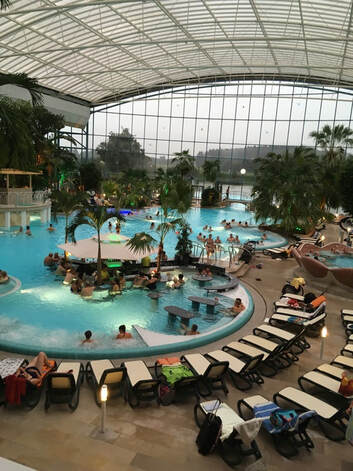
Did you know that Germany has over 350 health spas and health resorts? If you’re looking for the ultimate relaxing holiday in Germany, you won’t be disappointed. The gorgeous landscapes and cultural cities of Germany make it the perfect location for a spa break.
We have fantastic insight into some of the best spa resorts to visit in Germany. If you’re looking to plan a spa break, we can help you identify the resorts that best match the kind of experience you are looking for and incorporate them into your itinerary.
Visit Germany Today
Now you know some interesting facts about Germany, why not start planning your trip today? Get in touch with us to see how we can help you plan a personalised and bespoke experience.